All energy networks involve water.
To meet the challenges of this moment and affect truly sustainable change, energy systems must consider the water-energy nexus.
NEWP is a laboratory and research group directed by Dr. Nathanial Cooper, Assistant Professor of Industrial Sustainability in the Institute for Manufacturing (IfM), a division within the University of Cambridge’s Department of Engineering. We work to facilitate transitions towards a sustainable future through the research and development of sustainable, low-carbon alternatives in the highly intersectional areas of water and energy. We approach critical questions in these areas holistically to better understand practical paths to implement and improve technologies through system design, developing process models, conducting techno-economic analysis, performing life cycle assessment, among other computational and experimental methods.
This website functions as a digital space to center student work, publications and projects, open dialogue on critical issues and new research initiatives, and provide other resources to those working within and beyond our group.
This page provides an overview of our research areas, more information on Dr. Cooper’s background, and an overview for prospective doctoral students interested in joining our group.
With inquiries concerning academic, governmental, or industrial collaboration, or to invite a speaker from our lab, please connect with us here.

Research areas
Practical solutions for sustainable futures in the age of global climate change are necessarily intersectional and require integrated attention to detail system-wide. So too are the interests of NEWP.
Our lab’s areas of focus currently align with three main categories.
- Electrochemical energy and power systems
Energy storage is a critical area of concern towards implementing practical, economical transitions to accessible sustainable energy futures. Understanding how electrochemical energy systems, including batteries, fuel cells, electrolysers, and flow batteries, can be practically implemented is necessary for facilitating sustainable transitions. To this end, our group is particularly interested in grid-scale application of hydrogen and alternative battery formulations including aqueous sodium or zinc ion chemistries, and in the integration of desalination technologies as a means to approach these pathways. Hydrogen is an important energy carrier, both as an alternative fuel and as an alternative feedstock in industrial and local, microgrid applications. Sodium and zinc ion chemistries offer more ecologically responsible and lower cost energy storage options, facilitating stationary storage solutions. Our group works to evaluate how to sustainably design and implement these systems to achieve low-carbon goals.
- Industrial decarbonization
To limit the infrastructural and social impacts of climate change, industrial systems must affect significant, practicable transition to low-carbon, low-consumption models of production and operation. We investigate the potential impact and improvements that may be achieved through alternative fuels and feedstocks, power sources, technologies, or business models in order to meet carbon reduction goals, improve efficiency, and provide for civil needs both adequately and equitably.
- Wastewater valorization and material recovery
Many valuable materials are present in industrial wastewater streams. Systems designed for the climate future must consider the constituents of these streams in industrial and civil applications, both for public and ecological health and safety, and in order to reduce wasted resources wherever possible. Our group explores methods to recover critical materials from these waste streams, including dissolved metals like lithium and gallium, and examine their utility in the circular economy. In particular, we focus on modelling and evaluating specific technologies, technical improvements, and recovery systems in view of a future where industrial production systems implement these integrations alongside sustainable solutions.
Dr. Cooper

Dr. Nathanial Cooper is an Assistant Professor in the University of Cambridge’s Department of Engineering. He directs the NEWP Lab and “NEWP Group,” working within his division, the Institute for Manufacturing (IfM), to foreground dialogue on industrially sustainable solutions at the intersection of management, technology and policy. He is a member of ASME, AIChE, and a fellow of Girton College.
Projects, people, places and practicum inspired NEWP.
Prior to joining Cambridge, Dr. Cooper was a postdoctoral scholar at Yale University working in the Elimelech Laboratory and Research Group with funding from the National Science Foundation’s (NSF) eFellows program to investigate technical and economic questions of technologies at the water-energy nexus.
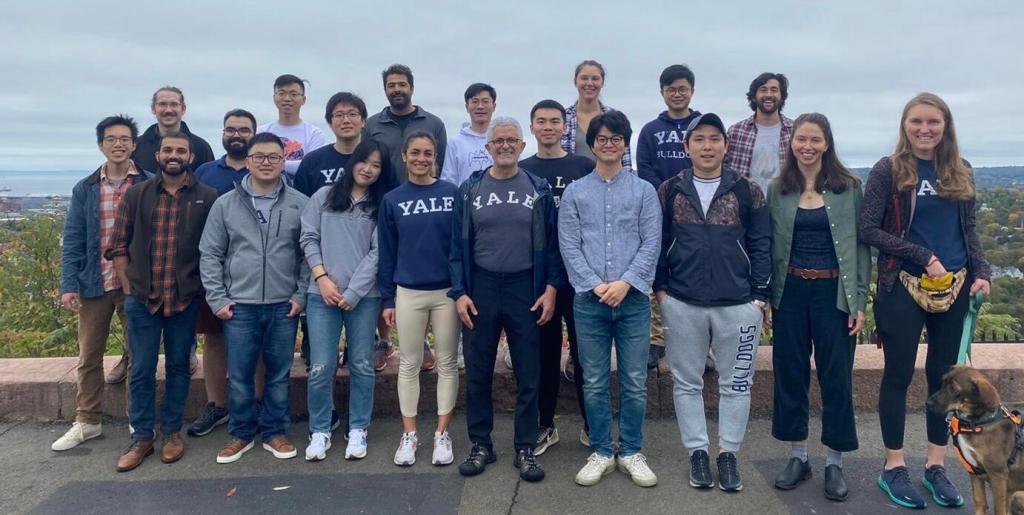
Prior to Yale, he was a postdoctoral scholar at Imperial College London, where he worked with Prof. Nilay Shah in the Sargent Centre for Process Systems Engineering to apply systems engineering and optimization techniques to renewable energy, biomass supply chains, and sustainability research questions. As Marie Skłodowska-Curie ITN Experienced Researcher, he worked to apply these areas to the RENESENG project, and consulted with collaborators on the Institute for Sustainable Process Technology (ISPT)’s grid-scale Hydrohub GigaWatt Scale Electrolyser project co-funded by the Dutch Top Consortia for Knowledge and Innovation in Energy and Industry and the Ministry of Economic Affairs and Climate Policy.
His doctoral research in the Green Technology Laboratory (GTL) in the Department of Mechanical and Aerospace Engineering at the University of California at Davis addressed the relationship between design parameters and performance in interdigitated flow field PEM fuel cells (2016). He received his B.S. in 2012 from Brown University.
Beyond traditional engineering contexts, Dr. Cooper benefits from the collaborative conversations of an multidisciplinary family. Proximity to his wife‘s field of environmental history prompts dialogue with research models where future-oriented environmental problem-solving, environmental expertise, and historical insight unite in practice towards community-led, actionable, and sustainable infrastructural solutions.
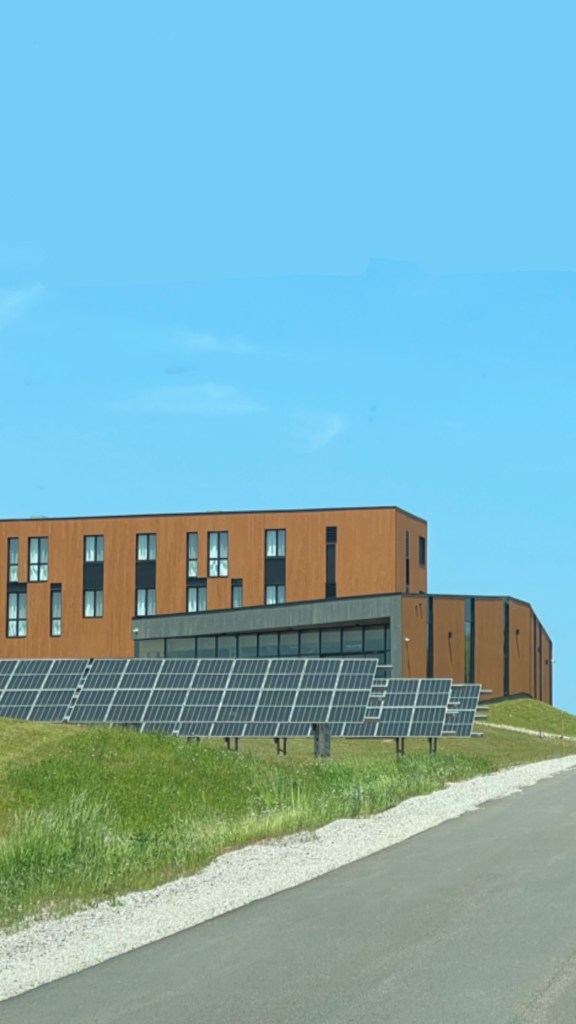
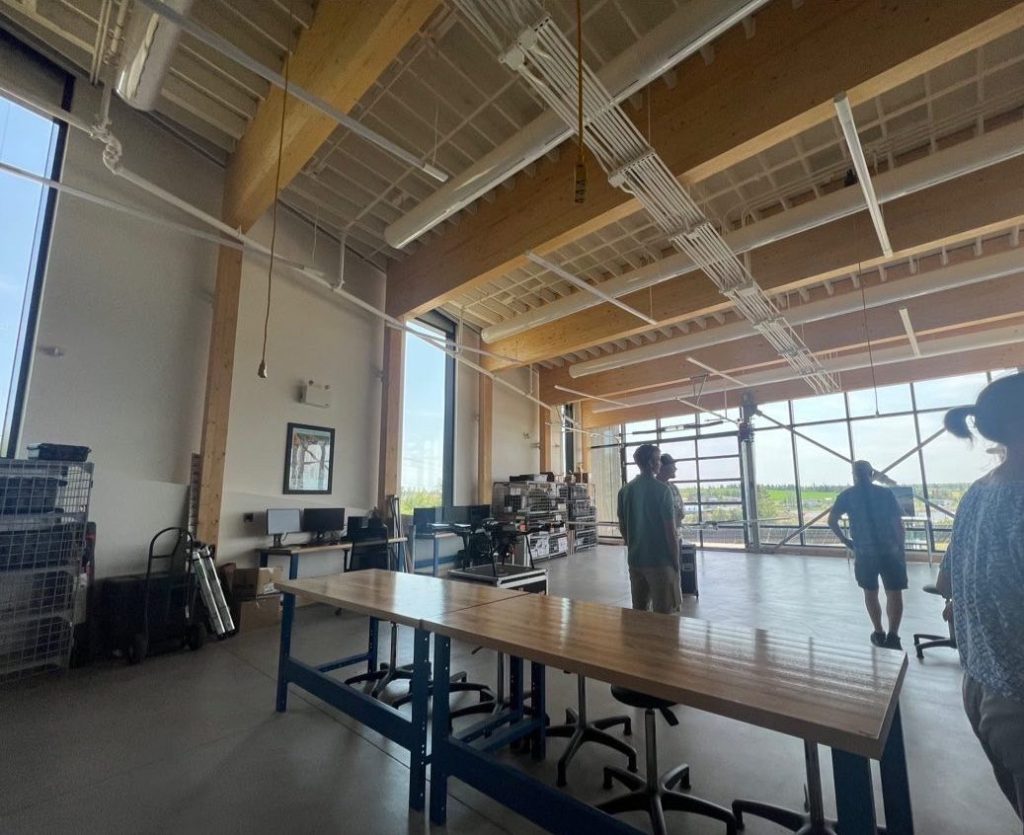
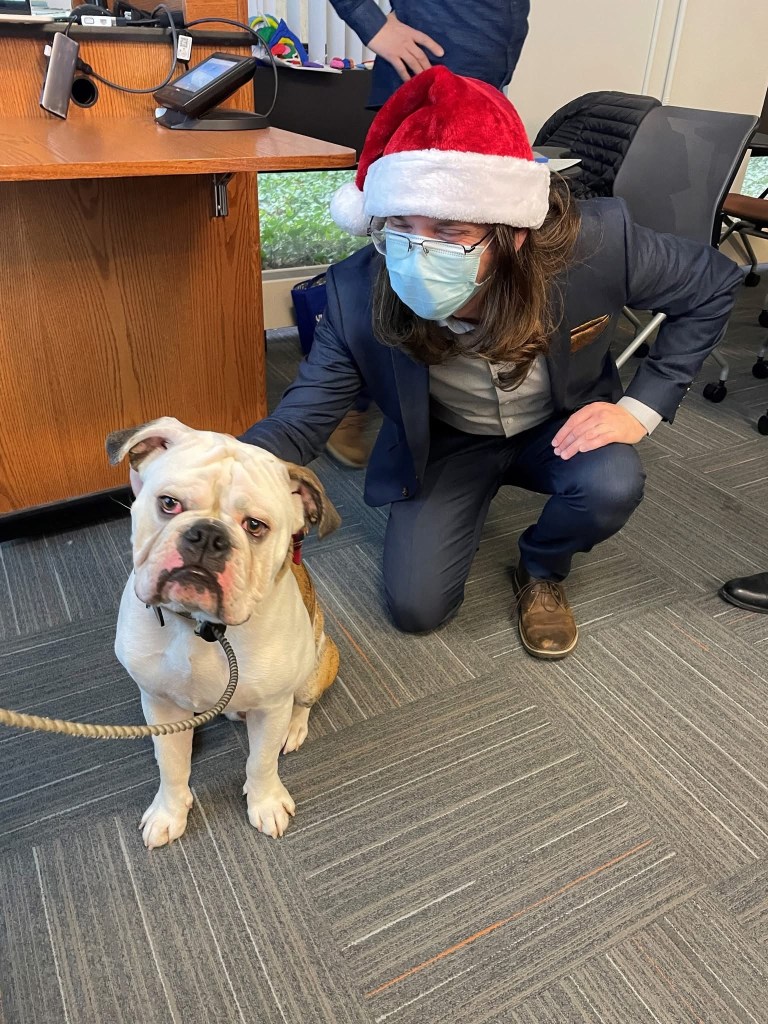
In particular, a visit to the University of Prince Edward Island’s Canadian Centre for Climate Change and Adaptation helped inform the development of NEWP. He enjoys reading, cooking, gardening, climbing, home brewing, lamp work glass artistry, serving every whim of two cats, and spending holidays with family in Connecticut.
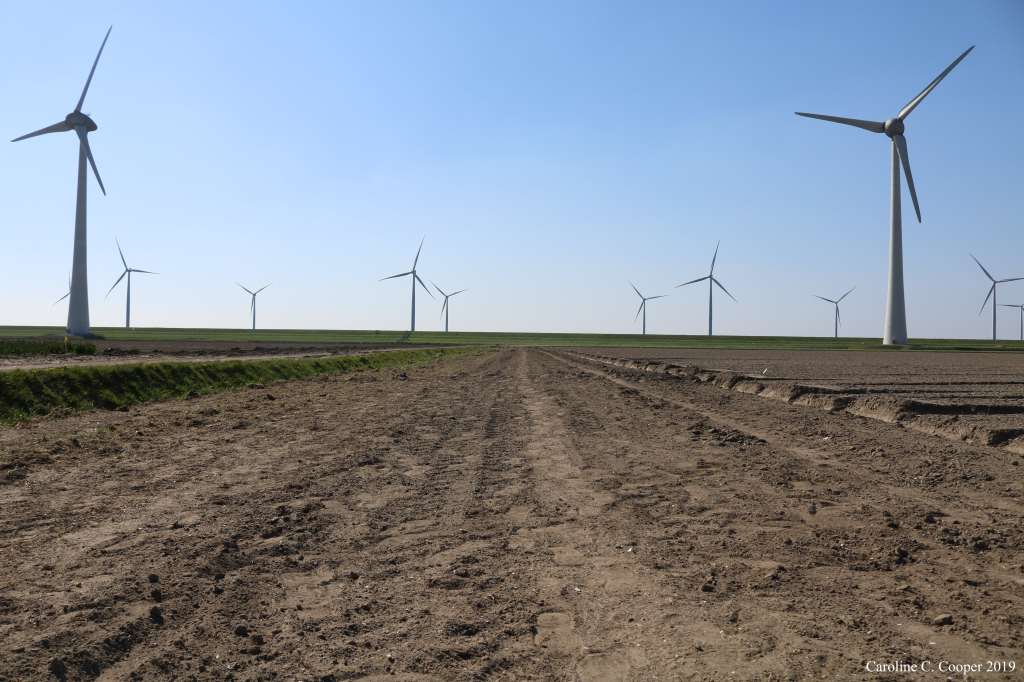
Join the NEWP group.
Prospective students:
NEWP is rapidly expanding. We welcome inquiries from prospective postgraduate students interested in applying systems engineering, process design, optimization, and computational methods to MPhil or PhD research in any of our research areas. Our group is well situated to incorporate projects which center sustainable energy technologies and power systems, electrochemical energy storage systems, examine microgrid and grid-scale energy solutions, address hydrogen and water-energy systems, desalination, wastewater valorization, and other projects which center industrial sustainability and decarbonization, supply chain optimization, life cycle analysis, or efficiency modelling.
EPSRC studentships and other funding competitions are posted periodically on the NEWP Group blog and on the University of Cambridge’s jobs site (usually crossposted with jobs.ac.uk).